RF Signal Generators: Precision Sources for Wireless and Communications Testing
Welcome to Revinetech's comprehensive category for RF...
RF Signal Generators: Precision Sources for Wireless and Communications Testing
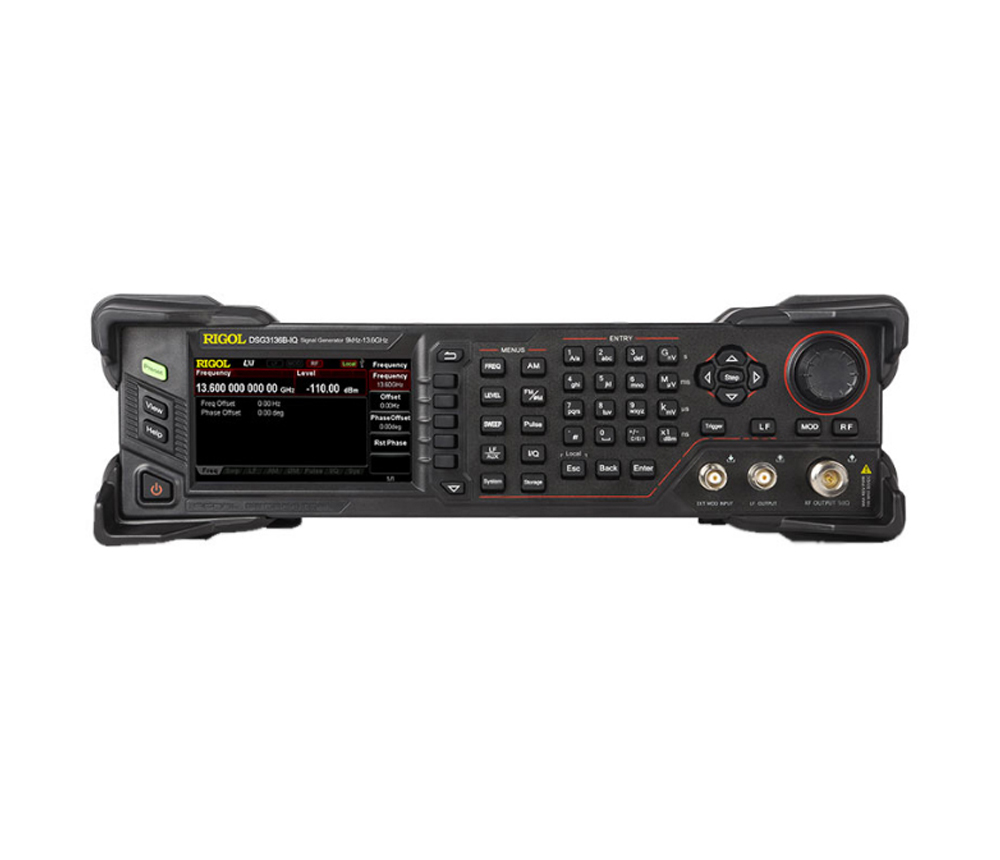
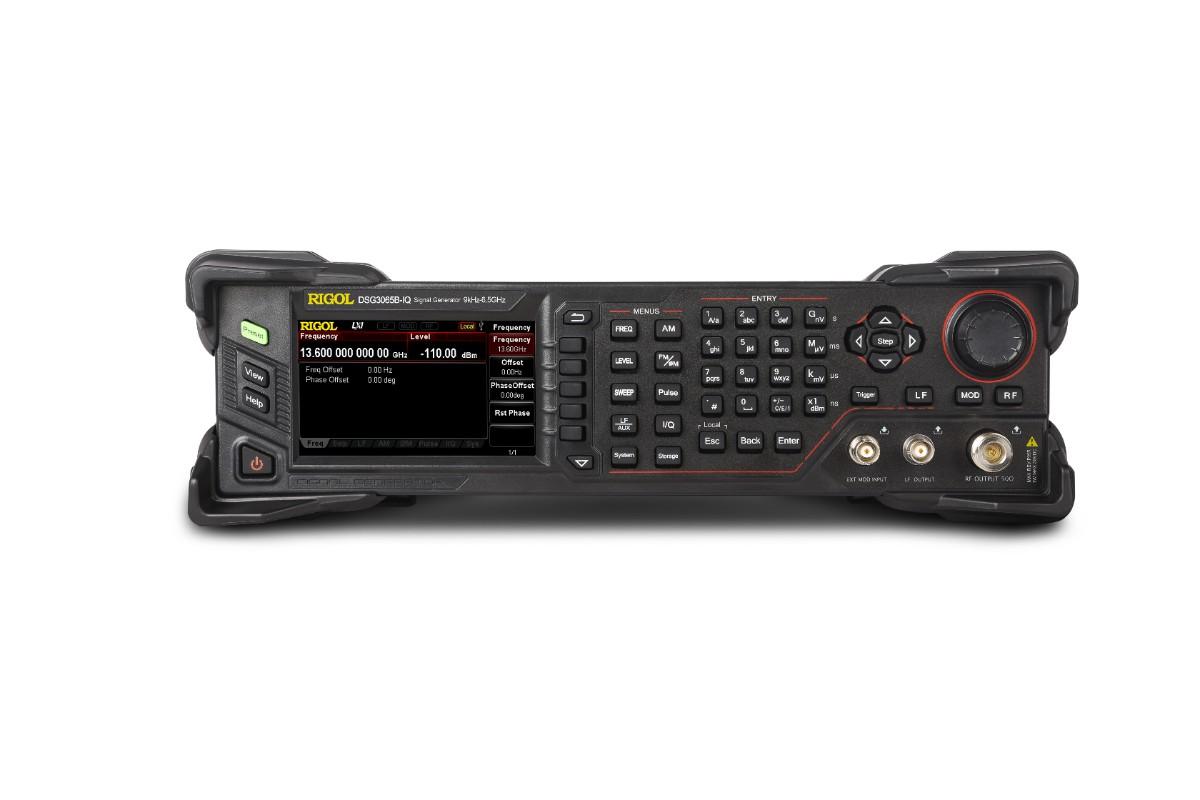
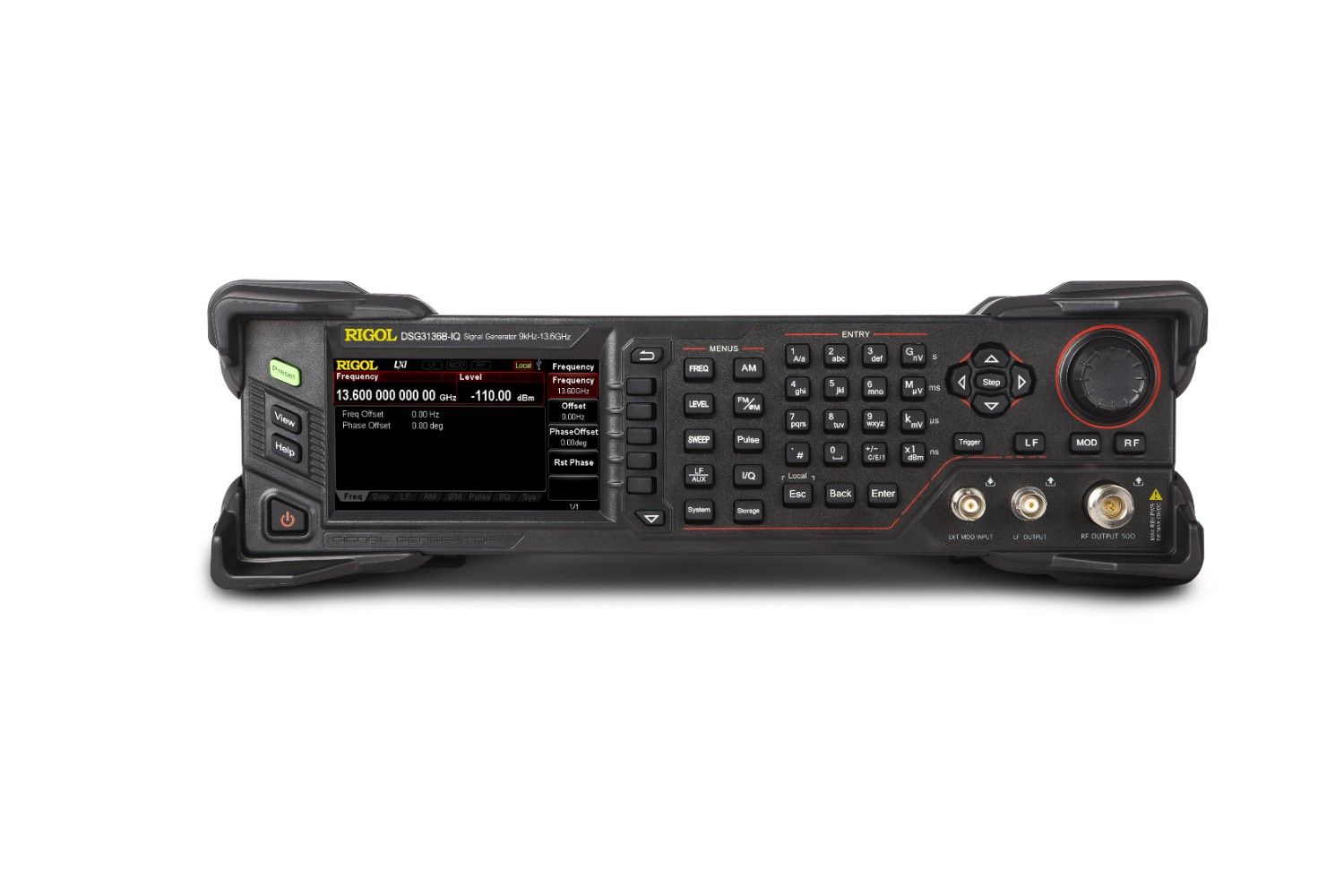
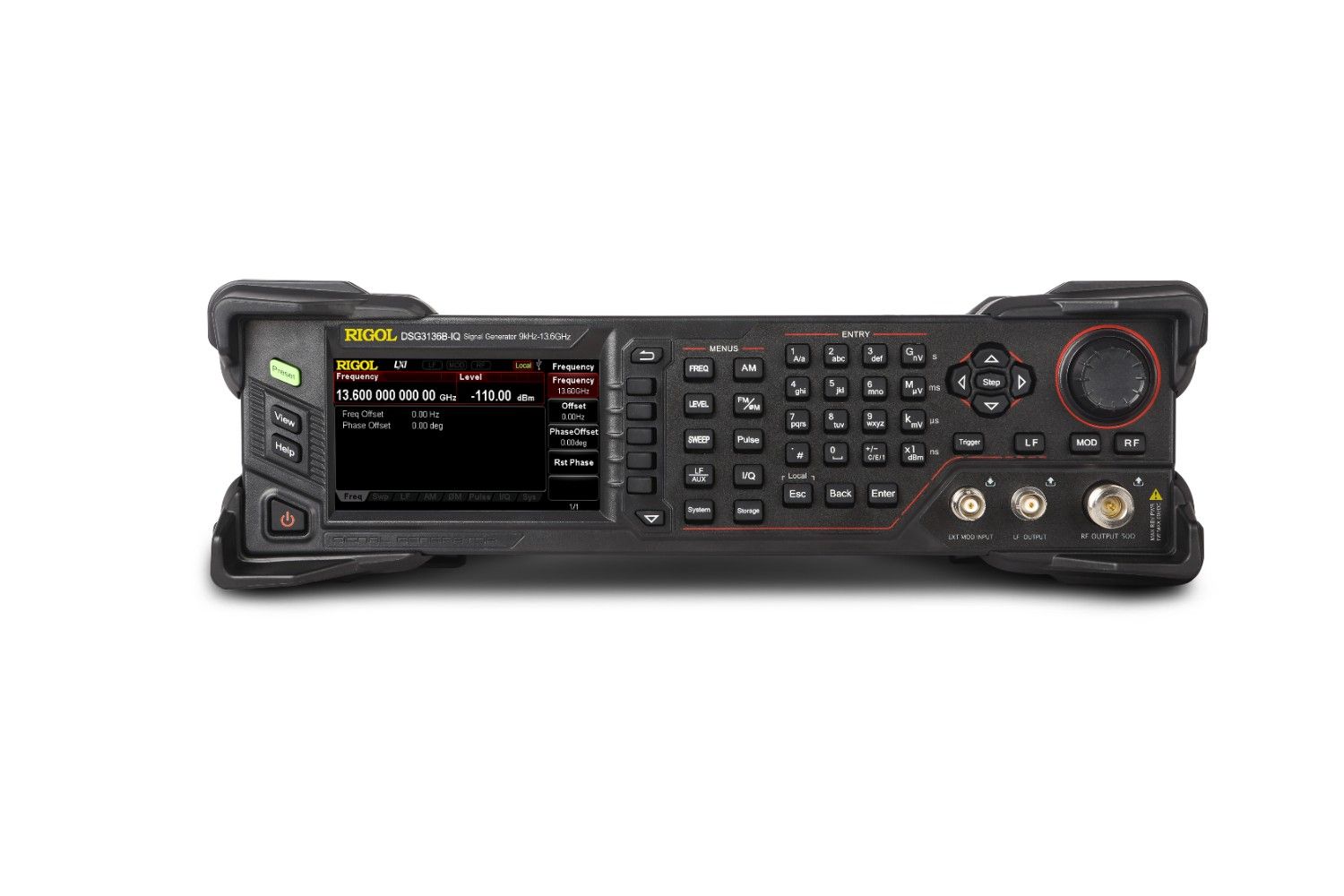
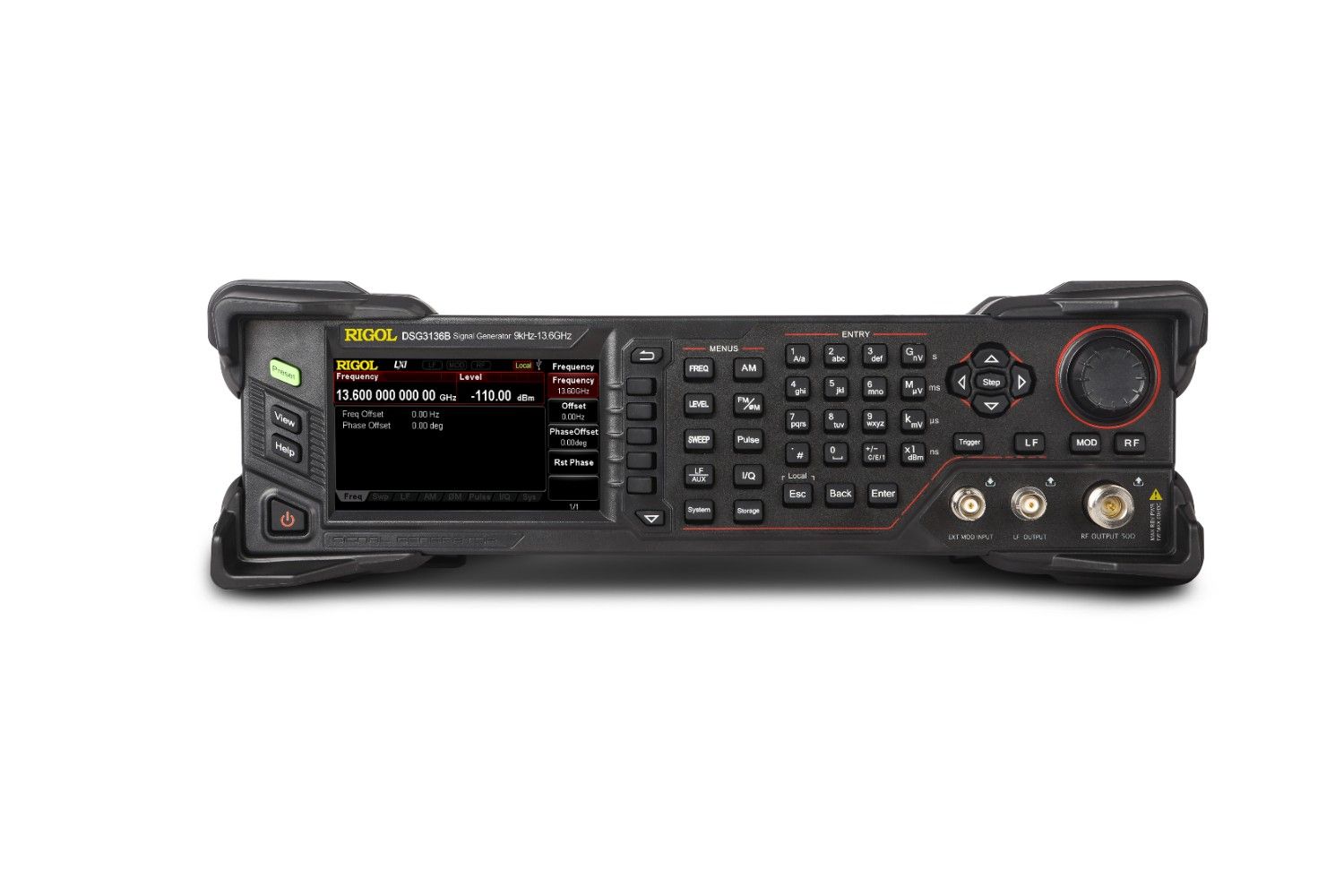
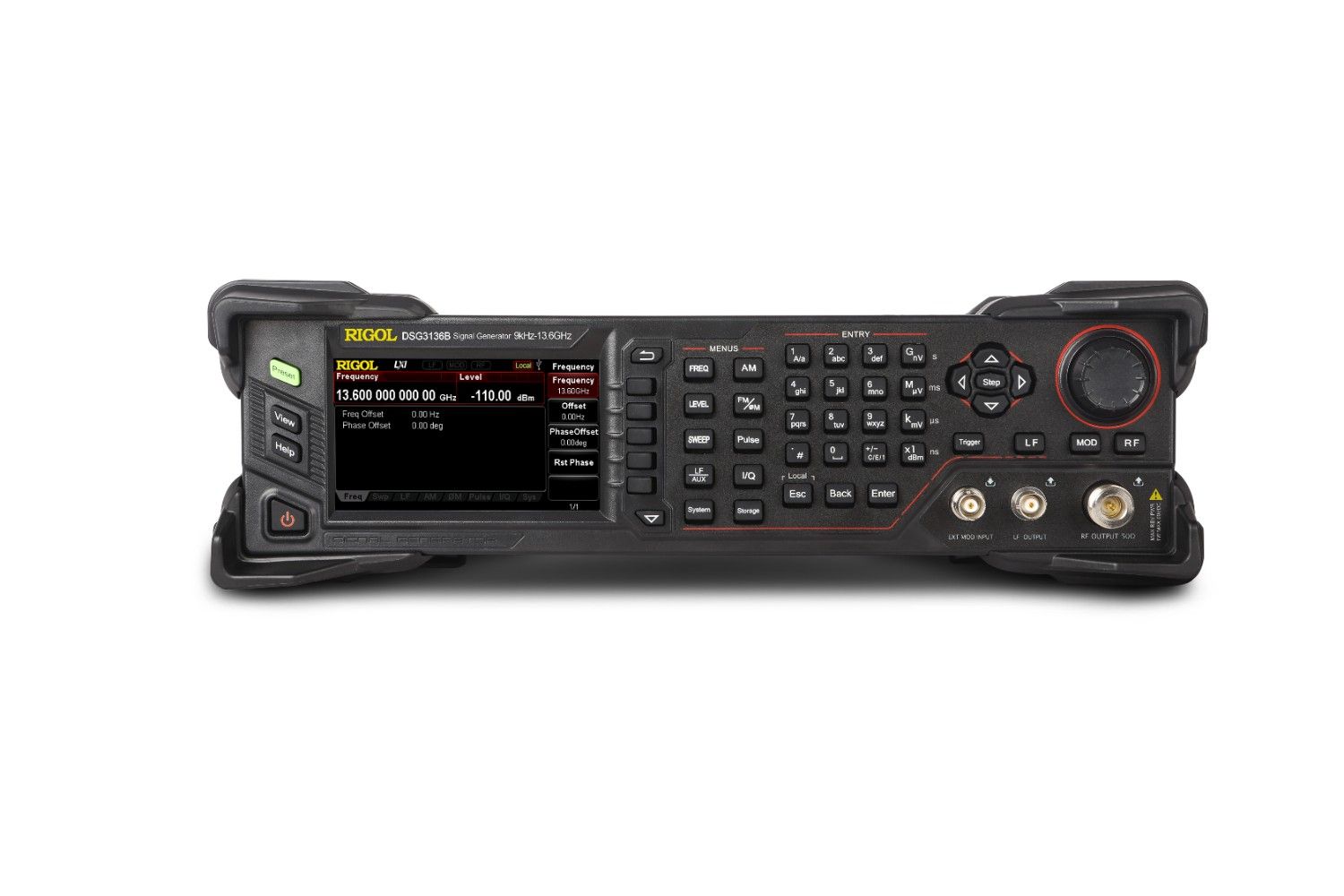
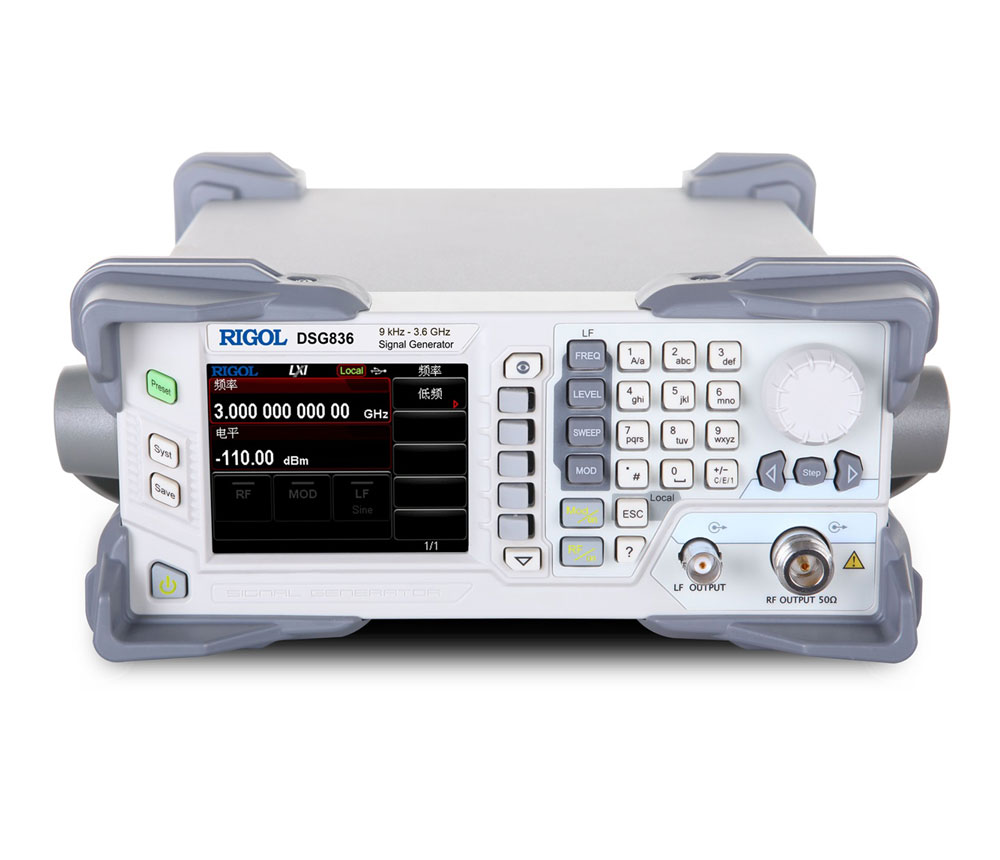
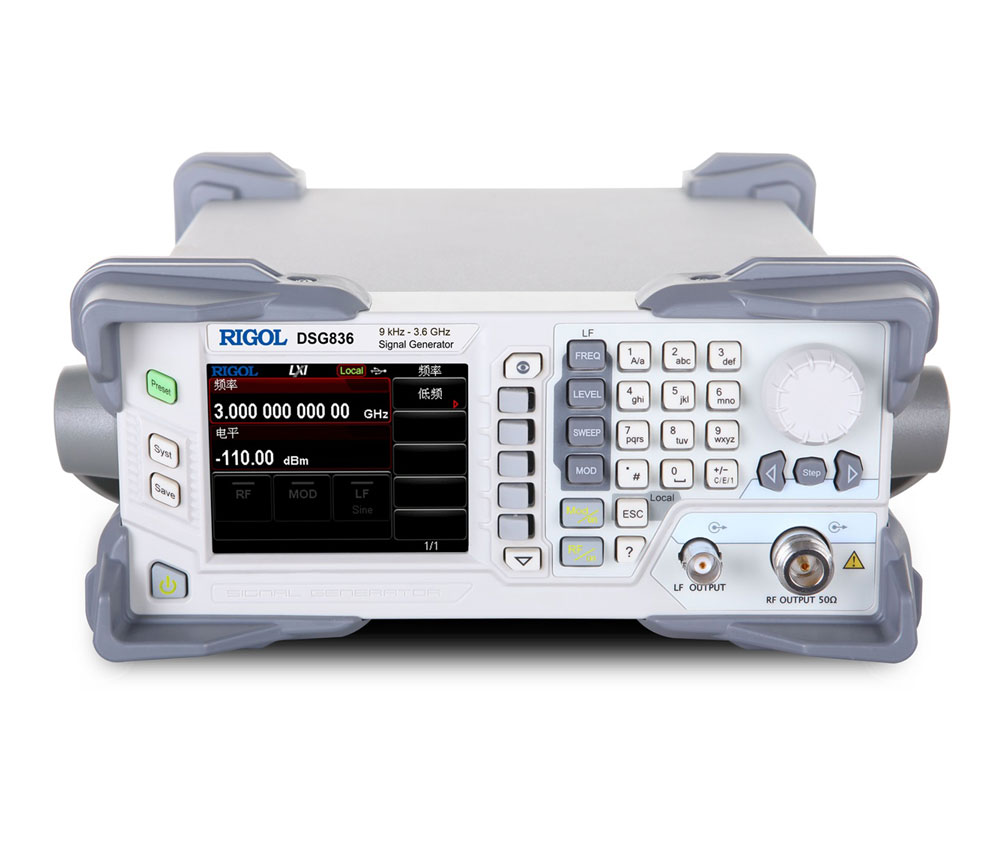
Welcome to Revinetech's comprehensive category for RF Signal Generators. These precision instruments are the cornerstone of any lab involved in wireless communication, radar, aerospace, and RF component design. A high-quality RF signal generator provides the clean, stable, and highly controlled test signals necessary to validate receiver sensitivity, characterize RF components, and simulate complex communication environments.
You are searching for a reliable source that offers excellent frequency agility, low phase noise, and the necessary modulation capabilities for your advanced applications. Our curated selection of RF generators and vector signal generators (VSGs) features leading technology to meet the stringent requirements of modern wireless standards, including 5G, Wi-Fi 6/7, and radar pulse testing. Trust Revinetech to equip your bench with the essential tool for accurate, repeatable RF signal synthesis.
Why High-Performance RF Signal Generators are Critical
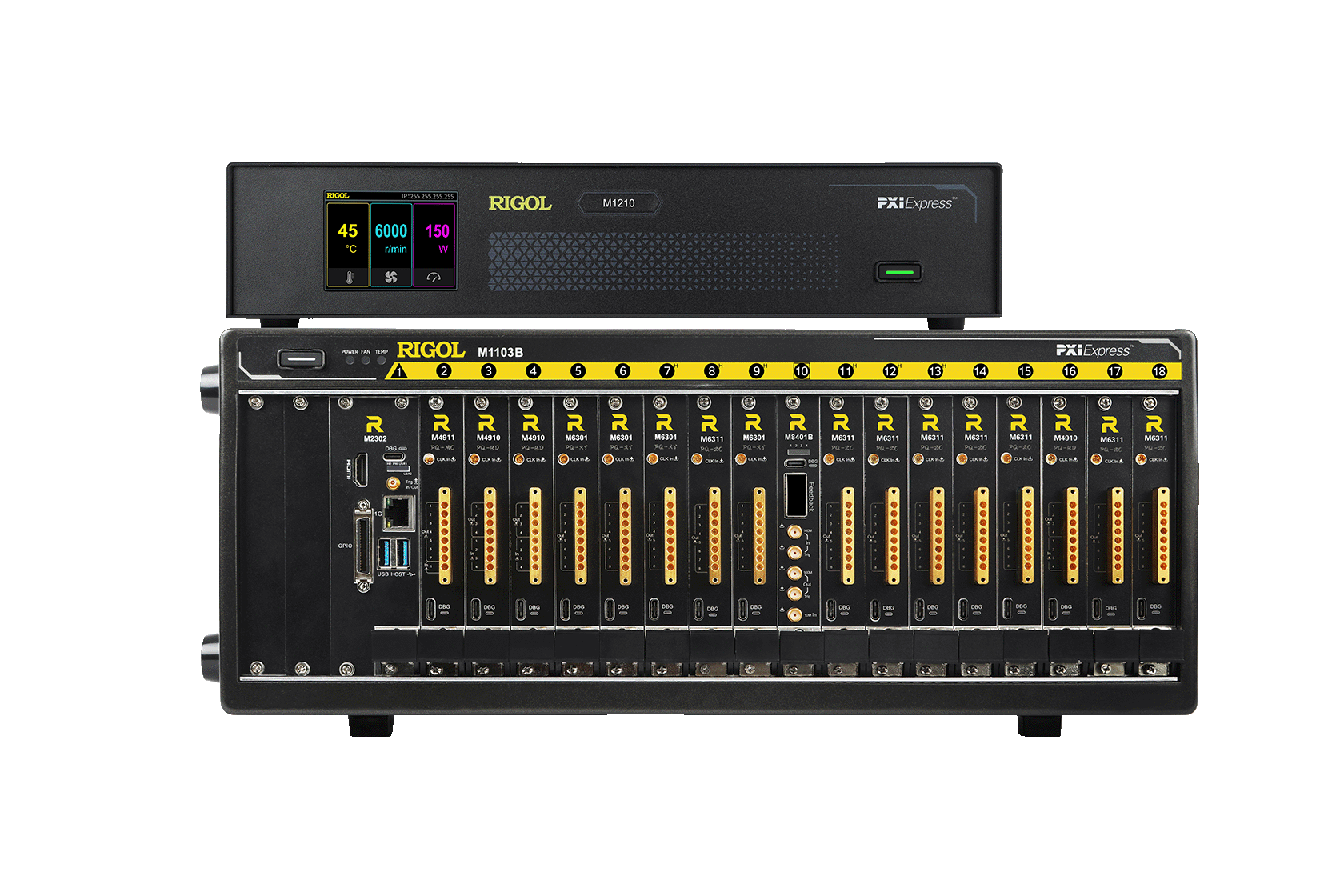
In the demanding world of radio frequency engineering, the quality of the test signal directly impacts the validity of the measurement. Poor signal purity can mask device imperfections or lead to false failures. Revinetech provides RF signal generators that guarantee the fidelity needed for mission-critical testing.
Key Technical Factors Defining RF Performance
The performance of an RF generator is primarily judged by its ability to create a clean, accurate signal across a wide bandwidth.
-
Phase Noise (Signal Purity): Low phase noise is perhaps the most critical specification. It indicates how pure and stable the signal is in the frequency domain, directly affecting the signal-to-noise ratio in receiver tests and the performance of high-order modulation schemes.
-
Frequency Switching Speed: Measures how quickly the generator can change frequency and stabilize at the new setting. Fast switching is essential for frequency-hopping communication systems, radar, and agile testing environments.
-
Output Power Accuracy: Defines the precision with which the output power level can be set. This is crucial for calibration and for accurately measuring receiver sensitivity (minimum signal required for reliable reception).
-
Wide Frequency Range: Allows a single instrument to cover various wireless bands, from baseband signals up through microwave and millimeter-wave frequencies.
Vector vs. Analog RF Signal Generators
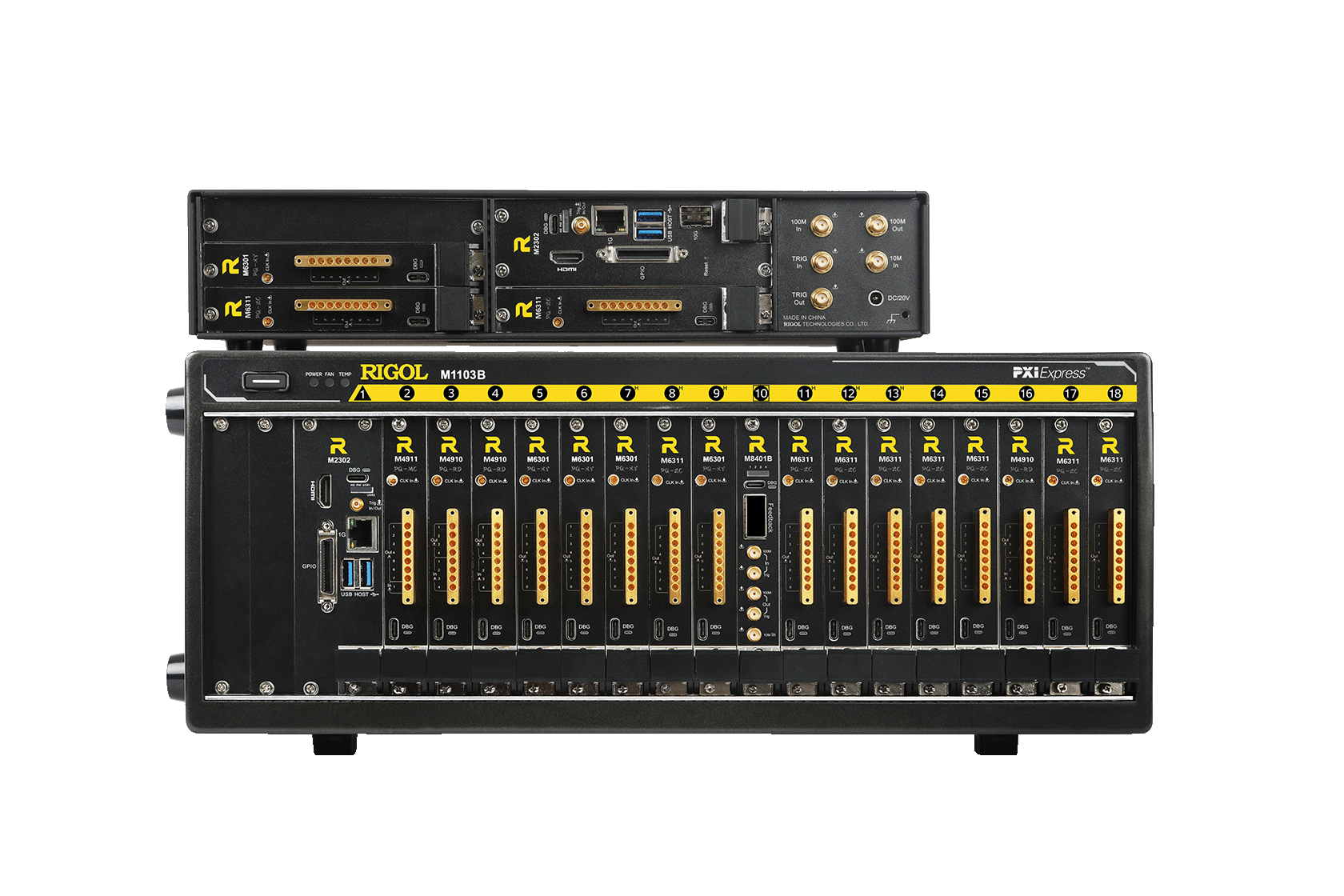
The choice between generator types depends on the required complexity of the test signal:
-
Analog RF Signal Generators: These produce continuous wave (CW) or simple modulated signals (AM, FM, PM). They are ideal for basic component characterization, interference testing, and simpler receiver alignment where complex data encoding is not required.
-
Vector Signal Generators (VSGs): These are essential for modern digital communication. They use in-phase (I) and quadrature (Q) components to create complex, digitally modulated signals (e.g., QPSK, QAM, OFDM). A vector signal generator is required for testing real-world data throughput and adherence to standards like 5G and LTE.
Exploring Our RF Signal Generator Selection
Our catalogue features generators categorized by their intended application and level of signal complexity.
Analog RF Sources for Component and System Verification
These generators prioritize stable, clean CW and traditional modulation. They are essential for applications requiring basic, highly pure RF stimulus:
-
Testing basic filter and amplifier gain/loss characteristics.
-
Generating LO (Local Oscillator) signals in superheterodyne receivers.
-
Performing simplified sensitivity and selectivity measurements.
Vector Signal Generators for Wireless Standards Testing
The vector signal generator is the workhorse of modern communications labs. These instruments allow engineers to simulate complex, encoded signals used in high-speed data transmission:
-
Standard Compliant Waveforms: Built-in libraries for generating signals compliant with 5G, LTE, Wi-Fi, and other standards.
-
Impairment Simulation: The ability to add noise, fading, and distortion directly to the signal to simulate real-world channel conditions.
-
High I/Q Bandwidth: Supports high data rates and wide channel bandwidths necessary for advanced wireless technology.
Specialized Generators for Radar and Aerospace
These high-performance instruments focus on pulse fidelity and broad bandwidth to simulate complex radar and electronic warfare (EW) scenarios. Key features often include:
-
Complex Pulse Modulation: Generating single or multi-tone pulses with precise rise/fall times, width, and intra-pulse modulation.
-
High Output Power: Delivering the necessary signal strength for large system and antenna testing.
-
Fast Switching: Essential for simulating agile or frequency-hopping radar systems.
Integrated Features for Efficient Lab Work
Modern RF signal generators incorporate advanced features that streamline setup, analysis, and automation:
-
Arb Waveform Creation: Allows users to define custom digital modulation or complex interference patterns outside of standard presets.
-
Internal Baseband Generation: Built-in processing enables the creation of complex digital modulation without needing an external instrument, simplifying test setup.
-
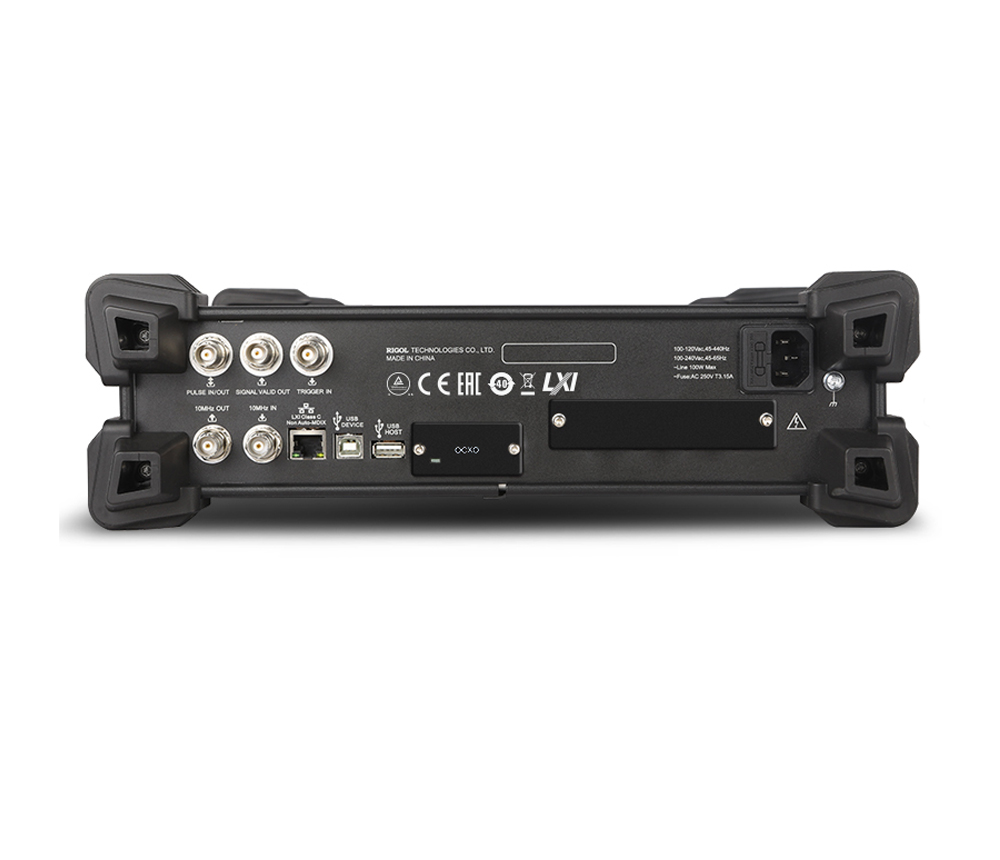
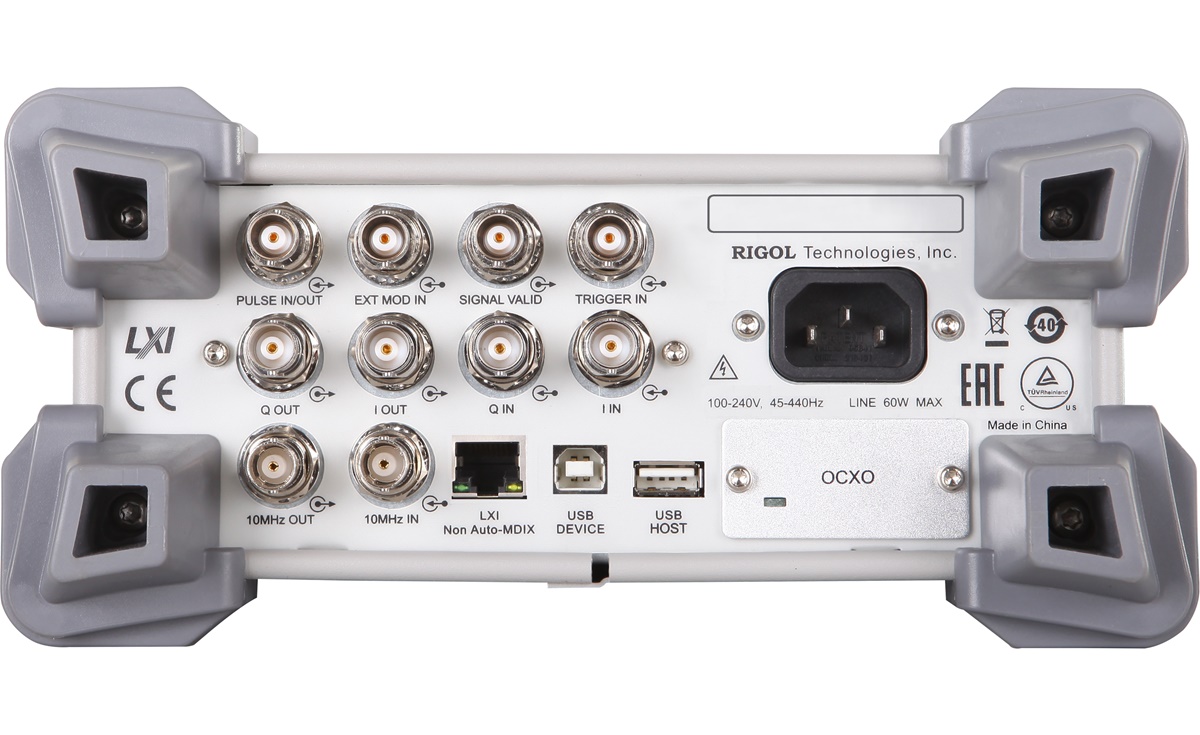
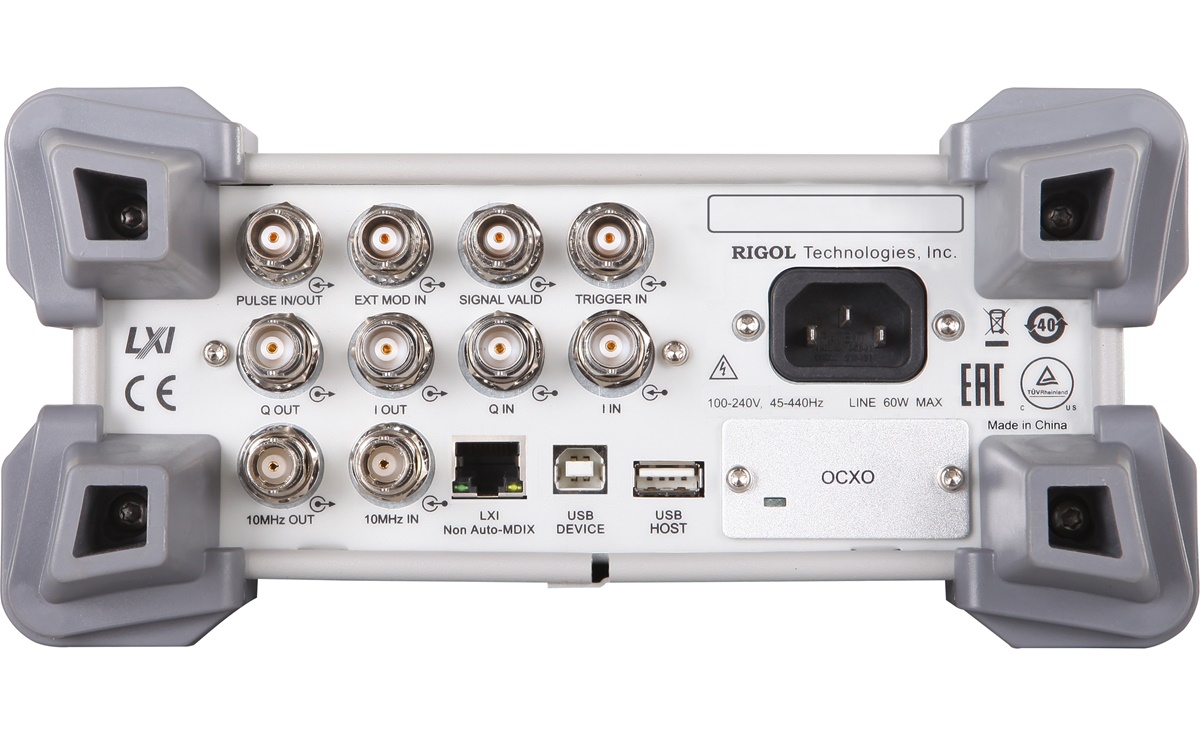
Automation and Connectivity: Full support for LXI and GPIB communication standards ensures seamless integration into automated test systems for fast, repeatable, production-level measurements.
-
Intuitive Touchscreens: Large, high-resolution displays facilitate simple instrument control, setup visualization, and real-time monitoring of signal parameters.
Partner with Revinetech for RF Source Expertise
Revinetech is committed to providing best-in-class RF signal generators from trusted manufacturers. We understand the critical nature of low phase noise and modulation accuracy in your work. Our technical specialists are available to help you navigate specifications like I/Q bandwidth, switching speed, and phase noise floor to ensure you select the instrument that precisely meets your testing needs.
Elevate the accuracy and speed of your RF testing. Browse our comprehensive selection, compare RF generators, and contact us today for expert advice and a tailored quote.
Frequently Asked Questions (FAQs)
What is Phase Noise and why is it important in an RF generator?
Phase noise is unwanted, random short-term fluctuations in the phase of the signal. It is crucial because high phase noise can desensitize receivers, obscure small signals, and increase the bit error rate (BER) in communication systems. Lower phase noise is always desirable for high-performance testing.
What is I/Q modulation, and when is a Vector Signal Generator (VSG) necessary?
I/Q (In-phase/Quadrature) modulation is the technique used to encode digital information onto an RF carrier for modern wireless standards (like Wi-Fi, 5G, LTE). A Vector Signal Generator (VSG) is necessary whenever you need to test a receiver with these complex, digitally encoded signals.
How is frequency switching speed measured?
Frequency switching speed is the time it takes the RF signal generator to change its output frequency by a specified amount and settle within a defined tolerance (usually within 0.1 ppm of the final frequency). Faster switching is vital for testing frequency-hopping or agile systems.
Do these generators support custom or arbitrary modulation?
Yes. Many advanced RF and vector signal generators support Arbitrary Waveform Generator (AWG) capabilities. This allows users to create and upload highly specific, non-standard digital or analog modulation schemes to simulate proprietary signals or complex interference environments.
What is the significance of LXI connectivity?
LXI (LAN eXtensions for Instrumentation) is an Ethernet-based communication standard for test and measurement equipment. It allows for fast, reliable remote control of the RF signal generator over a network, making it ideal for integration into large, automated test racks and remote laboratory operations.